

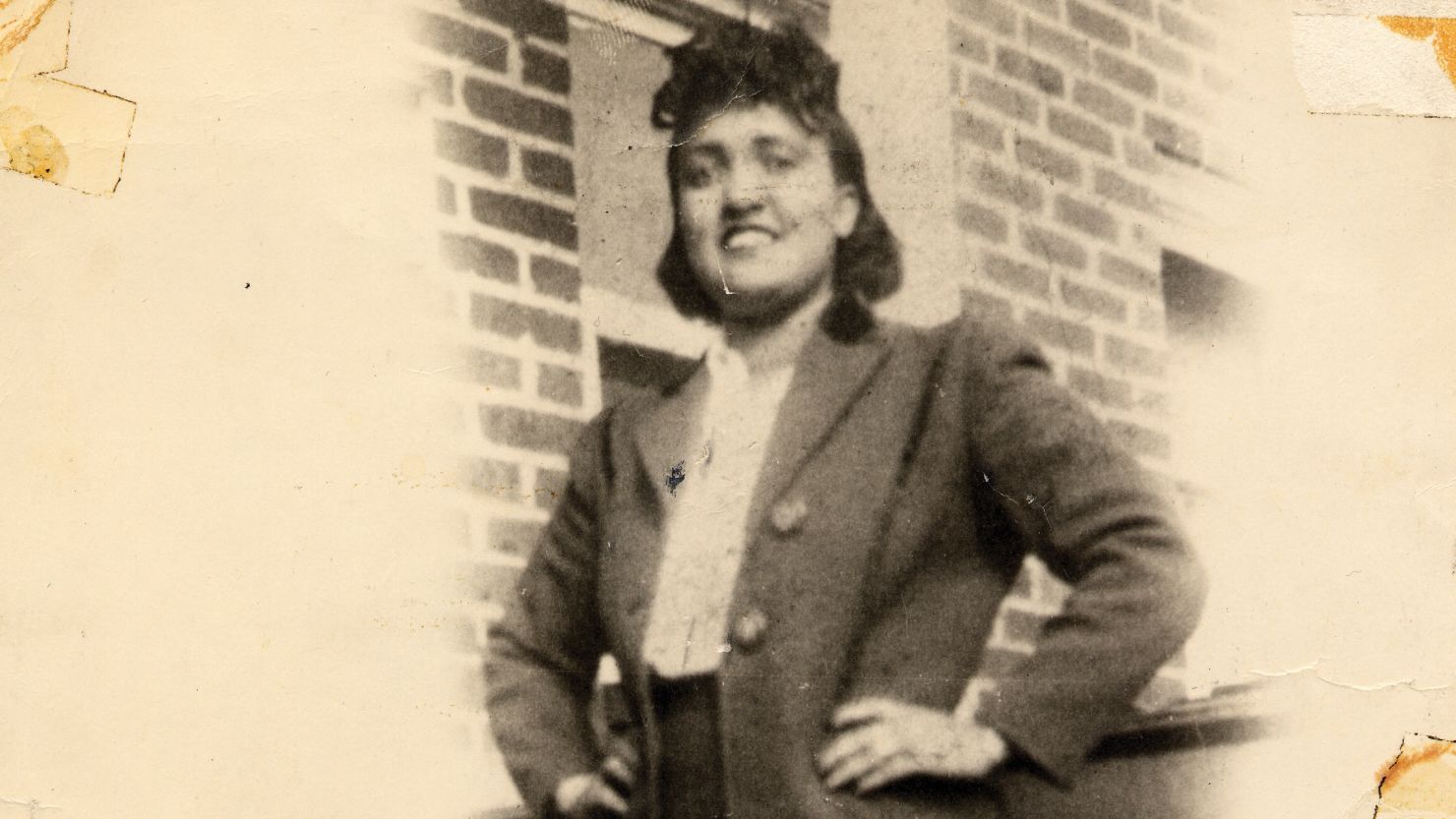
In the 1950s, in a small town in Virginia, USA, a young African-American woman named Henrietta Lacks went to the hospital for a routine checkup. At the time, Henrietta was unaware that her life—and her cells—would change medicine forever.
A Silent Illness
Henrietta was diagnosed with cervical cancer. Like many women of her time, she was treated at Johns Hopkins Hospital, one of the few hospitals that served Black patients. During treatment, doctors took samples of her tumor cells without her consent, a practice that was common at the time but would later raise ethical questions.
What doctors didn’t know was that Henrietta’s cells were extraordinary. Unlike other cells, they did not die in the lab. They multiplied rapidly and could survive indefinitely under the right conditions. These became the first immortal human cells ever grown in culture, later known as HeLa cells.
A Hidden Legacy
Henrietta passed away at the age of 31, never knowing the immense impact her cells would have on science. Her cells were sent to laboratories around the world, helping researchers make groundbreaking discoveries:
-
Developing the polio vaccine that saved millions of children
-
Advancing cancer research and understanding of tumors
-
Supporting breakthroughs in cloning, genetics, and in-vitro fertilization
-
Enabling the study of viruses like HIV and COVID-19
Recognition Comes Late
For decades, the world benefited from Henrietta’s cells, but her family remained unaware. They lived in poverty, struggling with healthcare and daily life, while Henrietta’s cells contributed to scientific research worth millions of dollars.
It wasn’t until the 1970s and later, through investigative reporting and books, that Henrietta Lacks and her family received recognition. Today, she is celebrated not only as a medical pioneer, though unknowingly, but as a symbol of ethical responsibility in medicine.
Lessons from Henrietta’s Story
Henrietta Lacks’ story is remarkable for several reasons:
-
Scientific Impact: Her cells have saved countless lives and continue to drive research.
-
Ethical Awareness: Her story highlighted the importance of informed consent in medicine.
-
Human Legacy: Beyond the science, it reminds the world that behind every discovery is a real person with a story, family, and dignity.
A Legacy That Lives On
Henrietta Lacks’ name is now immortalized in medical research, books, documentaries, and academic discussions. Institutions and researchers honor her contribution and work to ensure that future patients have rights and voices in scientific studies.
Her life and legacy teach us that ordinary people can have extraordinary impacts, even unknowingly, and that science is not just about cells and experiments—it is about the humanity behind them